竹中半兵衛という武将
demeburogu
侍旅


Takena Honda: The Genius Strategist of the Sengoku Era –
A Remarkable Life Cut Short at 36 and the Legacy That Lives On**
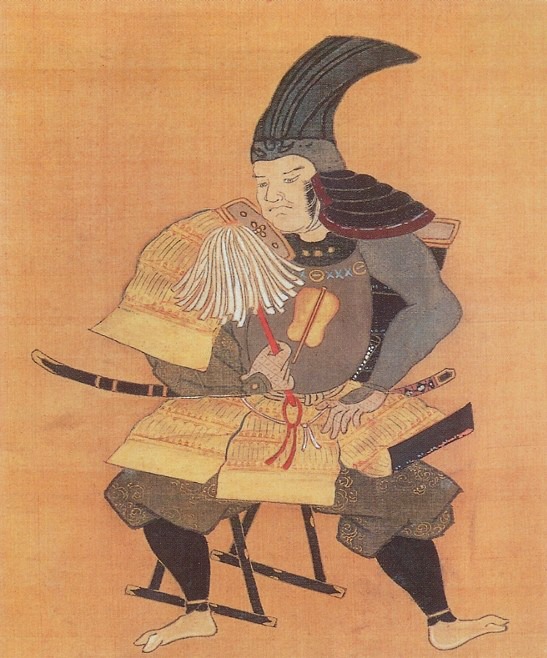
【Image Space: Portrait of Takenaka Hanbei】
Introduction – The “Modern-Day Zhuge Liang”
Have you heard of the Sengoku–period strategist Takenaka Hanbei?
Some may recognize his name from historical dramas or games.
This article explains the life of this brilliant tactician—called the “Modern Zhuge Liang”—in a clear and beginner-friendly way.
Though he died at the young age of 36, his genius continues to fascinate people today.
Birth and Family Background – Born into a Distinguished Samurai Lineage
Takenaka Hanbei was born on September 11, 1544in Ōmidō, Mino Province
(modern-day Ōgō, Ōno Town, Gifu Prefecture).
His real name was Takenaka Shigeharu, while “Hanbei” was a common nickname.
Family Lineage
The Takenaka family was a long-established samurai house, said to descend from the Iwate clan—a branch of the Seiwa-Genji Toki lineage.
His father was Takenaka Shigemoto, and his mother was the daughter of Sugiyama Kyūzaemon.
Siblings and Relatives
Hanbei’s younger brother was Takenaka Kyūsaku (Shigenori).
His cousin, Takenaka Shigetoshi, would later become the first lord of the Funai Domain (in present-day Ōita Prefecture).
A Talented Prodigy – Brilliant in Both Scholarship and Martial Arts
Hanbei was exceptionally gifted from childhood.
Though physically delicate, he excelled in intelligence and martial skill.
He loved Chinese military classics and admired Zhuge Liang from Romance of the Three Kingdoms.
He is said to have studied works such as The Art of Wardeeply.
At around age 14, he debuted on the battlefield, already possessing mastery in swordsmanship.
【Image Space: Artistic depiction of Hanbei on the battlefield】
Lords He Served – From the Saitō Clan to Hashiba Hideyoshi
Service to the Saitō Clan and the Inaba-yama Castle Takeover
Hanbei first served Saitō Tatsuoki, the grandson of Saitō Dōsan.
However, Tatsuoki ignored Hanbei’s advice and was considered an incompetent ruler.
In protest, Hanbei carried out one of the most famous feats in Sengoku history:
In 1564, with only 16–17 men, he seized Inaba-yama Castle (later Gifu Castle)in a single night.
Meeting Hideyoshi – The “Three Visits”
After Oda Nobunaga conquered Mino, Kinoshita Tōkichirō (later Hideyoshi)tried repeatedly to recruit Hanbei.
His persistent visits were likened to “the Three Visits”from Chinese lore.
In 1567, Hanbei accepted and became a retainer of Hideyoshi—
nota direct vassal of Nobunaga, but an ally officerunder Hideyoshi.
It is said he recognized Hideyoshi’s potential early on.
Major Battles and Achievements
As Hideyoshi’s strategist, Hanbei contributed to several key campaigns:
· Battle of Kannonji Castle (1568)– Captured the fortress of Misaki, helping secure vict· ory over the Rokkaku clan.
· Battle of Anegawa (1570)– Fought in the joint Oda-Tokugawa campaign against the A· zai and Asakura clans.
· Battle of Nagashino (1575)– Supported the strategies of the famous victory over the · Takeda clan.
Wife, Child, and Family – A Samurai Who Took No Concubines
Wife: Tokugetsuin
She was the second daughter of Andō Moriyuki, a senior retainer of the Saitō clan.
Rare for a Sengoku–period warrior, Hanbei never took any concubines, showing his deep sincerity.
Child
Quotes and Anecdotes – A Life Guided by Honor
“A warrior must cherish his name above all.”
This is Hanbei’s most famous phrase, said to have been spoken to Kuroda Kanbei.
It emphasizes that honor and righteousness outweigh life itself.
“A warrior’s true wish is to die in the field.”
Even when Hideyoshi urged him to rest, Hanbei chose to stay on the front lines.
Saving Kuroda Nagamasa (Matsushimaru)
When Kanbei was imprisoned by Araki Murashige, Nobunaga ordered the killing of Kanbei’s son.
Hanbei secretly protected the child, believing “Kanbei will never betray us.”
Though this story may contain embellishment, it symbolizes their strong trust.
This story is deeply moving.
Books He Studied and Warriors He Admired
Hanbei revered Zhuge Liangand studied many military classics such as:
· The Art of War
The Two Strategists – Hanbei and Kanbei
Hanbei was often paired with Kuroda Kanbei, another brilliant strategist.
Together they were called “Ryōbyōe — The Two Hioe.”
Their personalities were opposites:
· Hanbei:humble, modest, unambitious
Final Days and Death
No official death poem survives, but Hanbei is said to have warned Hideyoshi:
“Be cautious of Lord Nobunaga.”
He died of tuberculosis in 1579, during the siege of Miki,
passing away on the battlefield at the age of 36.
Why Is Hanbei Still Admired Today?
· His sincere and humble personality
· His brilliant strategic mind at a young age
· The legendary seizure of Inaba-yama Castle
· His loyalty and family devotion
· The iconic partnership with Kuroda Kanbei
Conclusion – Lessons We Can Learn from Hanbei Today
From Takenaka Hanbei’s life, we learn the value of:
· Honor
· Integrity
· Continuous learning
He pursued not fame or status, but the path he believed was right.
His life offers timeless lessons that resonate even today.
Traces of Hanbei remain in Gifu and Hyōgo Prefecture—
consider visiting to feel the footsteps of this young genius strategist.